Best Counterfeit Money Provider: A Deep Dive into the Underworld
In the digital age, counterfeit money has handled brand-new forms and methods of flow, drawing the attention of police worldwide. Although the production and distribution of counterfeit currency are prohibited in essentially every jurisdiction, the concern of how counterfeit money is developed and who the key players are within this illicit market stays a topic of intrigue. In this short article, we will explore the landscape of counterfeit money providers, the technologies they use, and the implications for society.
Understanding the Counterfeit Money Market
The counterfeit currency industry is a complex and private world that runs outside the law. It includes numerous stars varying from small-time scammers to arranged criminal networks that make use of innovative strategies and technologies. Below are a couple of crucial gamers and approaches that have emerged in this underground economy:
- Small-Time Scammers: Typically, individual counterfeiters who run on a little scale. They often utilize basic printing techniques to create fake bills and might just produce low-quality reproductions.
- Organized Criminal Syndicates: These groups utilize sophisticated innovation and high-quality materials to produce counterfeit money wholesale. They typically have extensive networks for circulation and money laundering.
- Cybercriminals: With the increase of the internet, some counterfeit money providers run totally online. They may sell counterfeit currency by means of dark web markets or even use social media platforms to connect with possible buyers.
Key Techniques and Technologies Used
- Printing Technology: High-quality printers capable of producing bills that carefully imitate authentic currency are necessary in the counterfeit production procedure. Digital printing innovations, such as inkjet and laser printers, are increasingly typical among low-tech counterfeiters.
- Specialized Paper: Authentic currency is printed on a specific kind of paper that has distinct residential or commercial properties. Some counterfeiters have sought to reproduce this by getting specialized stock that is designed to approximate the feel and appearance of real money.
- Security Features: Advanced counterfeiters typically attempt to replicate the security features discovered in legal tender. This consists of watermarks, security threads, and holographs. However, duplicating these features accurately needs substantial know-how and investment.
- Circulation Networks: The methods of distributing counterfeit money have evolved, utilizing both traditional street-level sales tactics and digital platforms. This consists of selling percentages of fake bills to unsuspecting merchants or using online marketplaces to reach a more comprehensive audience.
Legal and Social Implications
The ramifications of counterfeit money circulation extend far beyond the immediate financial impact. Here are some critical implications to consider:
- Economic Threats: Counterfeit currency undermines rely on the monetary system. It can have significant effects on services, consumers, and economies at large.
- Legal Ramifications: Engaging in the production or distribution of counterfeit money is a severe crime in many jurisdictions, frequently resulting in severe penalties, consisting of long prison sentences.
- Effect On Law Enforcement: The continuous evolution of counterfeit techniques presents difficulties for law enforcement companies. They need to continually update their skills and resources to combat these criminal offenses successfully.
Frequently Asked Questions about Counterfeit Money
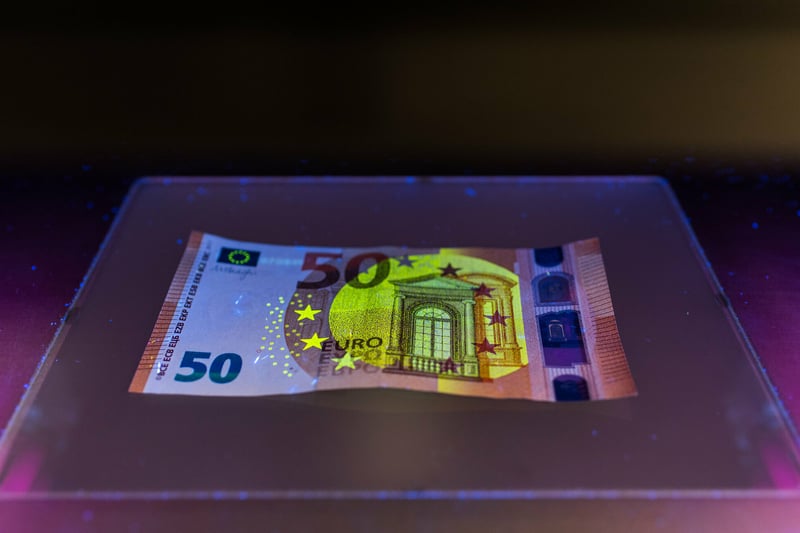
Q1: What is counterfeit money?A1: Counterfeit money refers to fake currency that is produced with the intent to trick and use as if it were legitimate. Q2: How can you determine counterfeit bills?A2: Common techniquesto recognize counterfeit bills consist of taking a look at watermarks, checking the security thread, feeling the texture of the paper, and using ultraviolet light to expose surprise features. Q3: What ought to I do if I get a counterfeit bill?A3: If you believe you have gotten counterfeit currency, do not attempt to utilize it. Rather, report it to local police and, if possible, to your bank. Q4: Are there any legal ways to 'utilize 'counterfeit money?A4: No, it is illegal to produce, disperse, or utilize counterfeit
money. Participating in any of these activities can result in criminal charges. Hearkening the Warnings For those who may be tempted to delve into the world of counterfeit currency, several cautions need to be hearkened. The threats related to engaging
in such prohibited activities are substantial. Heavy charges, including jail time and restitution of financial losses, are well-documented effects of counterfeiting. Furthermore, the psychological toll on people caught in this web of deceit can last a lifetime, impacting individual relationships and professions. Max Bogus stays a pervasive and harmful undercurrent in modern economies. From easy scams to the mob, the implications of this prohibited business are profound and far-reaching. Greater awareness and alertness on the part of consumers, businesses, and law enforcement are important in combating this continuous concern. The fight against counterfeit currency is not almost preserving the stability of money; it also safeguards trust within the societal structure, securing economies from the perilous impacts of illegal monetary activities. Whether one is considering entering this world or just looking for understanding about it, the best technique is certainly to guide clear and focus on sincerity and legality in all financial transactions.